CFA Level 2 Ethics: notes and free practice
CFA Level 2 Ethics applies professional duties to case evidence. Separate conduct, disclosure and corrective action, and judge each recommendation from the relevant facts rather than the attractiveness of the investment outcome.
The key ideas, at a glance
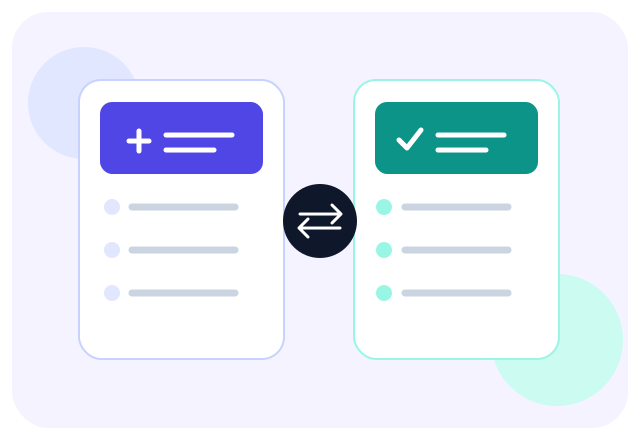
Classify the information
Read the visual, then follow the worked example below. Use the stated case assumptions.
Illustrative worked case
Has a material private fact entered the analysis?
Public analysis only
Assess the recommendation from permitted evidence
Insider confirms the signed deal
Restrict trading and recommendations using that fact
The private confirmation changes the case. Prior public research does not remove the restriction.
| Concept | Rule or decision | Common mistake |
|---|---|---|
| Classify the information | Material + nonpublic information changes the trading decision | A legitimate initial thesis does not make later material insider information safe to use. |
| Disclose before the decision | Referral disclosure and outside-compensation consent are distinct | Employer awareness does not replace disclosure owed to the prospect. |
| Allocate fairly, not by fees | Use a defensible pre-established allocation policy | Fair dealing permits service differences, not unrestricted trade preference for premium accounts. |
| Protect the decision process | Supervise, communicate and protect employer records | Delegation does not eliminate responsibility for reasonable supervision. |
01Classify the information
Material + nonpublic information changes the trading decision
Watch for: A legitimate initial thesis does not make later material insider information safe to use.
02Disclose before the decision
Referral disclosure and outside-compensation consent are distinct
Watch for: Employer awareness does not replace disclosure owed to the prospect.
03Allocate fairly, not by fees
Use a defensible pre-established allocation policy
Watch for: Fair dealing permits service differences, not unrestricted trade preference for premium accounts.
04Protect the decision process
Supervise, communicate and protect employer records
Watch for: Delegation does not eliminate responsibility for reasonable supervision.
Selected 2026 study concepts. Match your preparation to your registered exam-year curriculum. These notes are not complete curriculum coverage.
Free PDF by email
CFA Level II: 20 practice MCQs
Enter your email on the PDF page to receive the printable pack, with answers and explanations. Selected level/pathway questions; see the topic mix before requesting.
No account or payment required for the PDFs. Includes the monthly newsletter; unsubscribe anytime.
Put the method to work
One worked example, from facts to answer
Given
Public analysis suggests a deal; an insider privately confirms it is signed.
Method
Reassess the information set after the confirmation.
Answer and interpretation
The material private fact requires trading and recommendation restrictions.
Original independent teaching example. Assumptions are stated above; this is not an official exam question or scoring key.
Try it here - no account needed
10 free Ethics questions
Five mini-cases, two questions each. Read the case facts, choose an answer and review the method. Short teaching cases, not complete exam item sets or a mock.
Saved in this tab when storage is available. Responses are not uploaded.
Completed
0 / 10
MCQ correct
0 / 0
Completion is not an exam score.
- Question 1 of 10Level II topic sample · Case 1 of 5EthicsMultiple choice
Case facts
Rina forms a takeover thesis using public filings and individually immaterial nonpublic supplier observations, with a reasonable analytical basis. Before trading, she receives a director’s private confirmation of an unannounced signed takeover agreement that is material to the share price.
Before the director’s confirmation, how should Rina’s original research be assessed?
Answer and explanations
Public facts and individually immaterial nonpublic inputs may support an independent analytical conclusion.
Review the method- A: The mosaic approach distinguishes immaterial observations from material private facts.
- B - correct: Public facts and individually immaterial nonpublic inputs may support an independent analytical conclusion.
- C: A reasonable basis does not require prohibited material insider confirmation.
- Question 2 of 10Level II topic sample · Case 1 of 5EthicsMultiple choice
Case facts
Rina forms a takeover thesis using public filings and individually immaterial nonpublic supplier observations, with a reasonable analytical basis. Before trading, she receives a director’s private confirmation of an unannounced signed takeover agreement that is material to the share price.
After the director confirms the signed agreement, what should Rina do?
Answer and explanations
The material private confirmation requires refraining from trading or causing trades and appropriate compliance escalation.
Review the method- A: Receiving material private information changes her obligations after the original analysis.
- B: Giving clients the information does not make it public.
- C - correct: The material private confirmation requires refraining from trading or causing trades and appropriate compliance escalation.
- Question 3 of 10Level II topic sample · Case 2 of 5EthicsMultiple choice
Case facts
Evan receives a referral payment when a tax adviser’s prospect signs an investment-management contract. His employer knows the arrangement, but prospects do not. He recommends a manager to a prospect and proposes revealing the payment only after the prospect signs.
When should Evan disclose the referral payment to the prospect?
Answer and explanations
Pre-agreement disclosure lets the prospect assess the incentive behind the recommendation.
Review the method- A - correct: Pre-agreement disclosure lets the prospect assess the incentive behind the recommendation.
- B: Waiting for results is too late for the initial informed choice.
- C: Employer disclosure does not discharge the separate prospect obligation.
- Question 4 of 10Level II topic sample · Case 2 of 5EthicsMultiple choice
Case facts
Evan receives a referral payment when a tax adviser’s prospect signs an investment-management contract. His employer knows the arrangement, but prospects do not. He recommends a manager to a prospect and proposes revealing the payment only after the prospect signs.
Which disclosure best enables Evan’s prospect to evaluate the referral conflict?
Answer and explanations
Specific information about the nature and value or basis of compensation makes the incentive understandable.
Review the method- A: A vague warning does not explain the actual benefit.
- B - correct: Specific information about the nature and value or basis of compensation makes the incentive understandable.
- C: An address does not explain the financial incentive.
- Question 5 of 10Level II topic sample · Case 3 of 5EthicsMultiple choice
Case facts
Maya manages two equally suitable accounts with equal pre-submitted orders for an oversubscribed placement. Her written policy requires proportional allocation. One client pays higher fees. A separate disclosed premium service offers longer consultations after recommendations are distributed fairly.
How should Maya allocate the limited placement under the case facts?
Answer and explanations
Both accounts are suitable and ordered equally; consistent proportional allocation treats them fairly.
Review the method- A: Higher fees do not justify overriding fair allocation.
- B: An improvised lottery disregards the stated policy.
- C - correct: Both accounts are suitable and ordered equally; consistent proportional allocation treats them fairly.
- Question 6 of 10Level II topic sample · Case 3 of 5EthicsMultiple choice
Case facts
Maya manages two equally suitable accounts with equal pre-submitted orders for an oversubscribed placement. Her written policy requires proportional allocation. One client pays higher fees. A separate disclosed premium service offers longer consultations after recommendations are distributed fairly.
Are Maya’s longer premium consultations necessarily prohibited?
Answer and explanations
Disclosed service differences can be permissible without unfair treatment in recommendations and investment actions.
Review the method- A - correct: Disclosed service differences can be permissible without unfair treatment in recommendations and investment actions.
- B: Fair dealing does not require identical service packages.
- C: A premium service does not create unrestricted trading priority.
- Question 7 of 10Level II topic sample · Case 4 of 5EthicsMultiple choice
Case facts
A supervisor discovers recommendations released without required evidence review. She stops new releases and investigates. Separately, her firm switches from unlevered large-company equities to a leveraged small-company strategy while retaining its old description to clients.
After discovering the analyst’s bypass, the supervisor should:
Answer and explanations
Reasonable supervision requires addressing the breach and monitoring procedures designed to prevent recurrence.
Review the method- A: A promise without adequate investigation and controls is insufficient.
- B - correct: Reasonable supervision requires addressing the breach and monitoring procedures designed to prevent recurrence.
- C: Delegation does not eliminate reasonable-supervision responsibilities.
- Question 8 of 10Level II topic sample · Case 4 of 5EthicsMultiple choice
Case facts
A supervisor discovers recommendations released without required evidence review. She stops new releases and investigates. Separately, her firm switches from unlevered large-company equities to a leveraged small-company strategy while retaining its old description to clients.
What does the firm’s material strategy change require?
Answer and explanations
Leveraged small-company exposure materially changes the investment process and risks clients need to understand.
Review the method- A: The old description no longer explains the actual process.
- B: Communication duties do not depend on complaints.
- C - correct: Leveraged small-company exposure materially changes the investment process and risks clients need to understand.
- Question 9 of 10Level II topic sample · Case 5 of 5EthicsMultiple choice
Case facts
A client offers Leo a performance bonus outside his employer’s compensation plan; written consent from all involved parties is missing. Later, preparing to leave the firm, Leo proposes taking proprietary client records and doing basic office planning for his new business on personal time.
Before accepting the outside performance bonus, Leo should:
Answer and explanations
Additional compensation can conflict with employer interests; required written consent must precede acceptance.
Review the method- A - correct: Additional compensation can conflict with employer interests; required written consent must precede acceptance.
- B: Later disclosure does not cure missing prior consent.
- C: The client’s offer does not supply the employer’s consent.
- Question 10 of 10Level II topic sample · Case 5 of 5EthicsMultiple choice
Case facts
A client offers Leo a performance bonus outside his employer’s compensation plan; written consent from all involved parties is missing. Later, preparing to leave the firm, Leo proposes taking proprietary client records and doing basic office planning for his new business on personal time.
Which conclusion best distinguishes Leo’s departure preparations?
Answer and explanations
Preparation must respect current duties; taking proprietary client records requires appropriate authorization.
Review the method- A: Personal time does not transfer ownership of employer records.
- B - correct: Preparation must respect current duties; taking proprietary client records requires appropriate authorization.
- C: Noncompetitive preparation for a later departure is not categorically prohibited.
Four ideas to put to work
Find the method you need
Start with: The Code and Standards, materiality, client duties and the difference between disclosure and consent.
METHOD 01
Classify the information
Material + nonpublic information changes the trading decision
- Distinguish a supported mosaic from a material private confirmation.
- Do not trade or cause trades on material nonpublic information.
- Follow compliance restrictions rather than passing the secret to clients.
Worked example
- Given
- Public analysis suggests a deal; an insider privately confirms it is signed.
- Calculate / decide
- Reassess the information set after the confirmation.
- Result
- The material private fact requires trading and recommendation restrictions.
Watch for: A legitimate initial thesis does not make later material insider information safe to use.
Practise this ideaMETHOD 02
Disclose before the decision
Referral disclosure and outside-compensation consent are distinct
- Disclose referral benefits to employer and affected clients or prospects before the service agreement.
- Explain the benefit’s nature and value or compensation basis.
- Obtain required written consent before accepting conflicting outside compensation.
Worked example
- Given
- An adviser earns a payment for directing prospects to a manager.
- Calculate / decide
- Explain the arrangement before a prospect commits.
- Result
- The prospect can assess the adviser’s economic incentive before choosing.
Watch for: Employer awareness does not replace disclosure owed to the prospect.
Practise this ideaMETHOD 03
Allocate fairly, not by fees
Use a defensible pre-established allocation policy
- Assess suitability before including an account.
- Apply fair allocation instead of favoring the highest-fee client.
- Disclosed service tiers must not unfairly disadvantage other clients.
Worked example
- Given
- Two eligible accounts order 400 shares each; only 400 are allotted.
- Calculate / decide
- Proportional allocation gives each 400 × 400 / 800 shares.
- Result
- Each account receives 200 shares under that policy.
Watch for: Fair dealing permits service differences, not unrestricted trade preference for premium accounts.
Practise this ideaMETHOD 04
Protect the decision process
Supervise, communicate and protect employer records
- Investigate known breaches and enforce adequate controls with monitoring.
- Communicate significant investment-process changes promptly to affected clients.
- Separate permissible departure preparation from taking employer records.
Worked example
- Given
- A supervisor discovers an analyst bypassing research review.
- Calculate / decide
- Restrict activity, investigate and monitor corrective procedures.
- Result
- A warning alone is not adequate follow-through on a known breach.
Watch for: Delegation does not eliminate responsibility for reasonable supervision.
Practise this ideaQuestions about this topic
- What if local law and the Code and Standards differ?
- Apply the applicable stricter requirement as directed by the Code and Standards. A practice being permitted locally does not by itself make it acceptable under the professional standards.
- Does disclosure permit trading on material nonpublic information?
- No. Disclosure is not a substitute for the requirements governing material nonpublic information. Assess the information and required conduct from the specific facts.
- How should I compare plausible Ethics answers in a vignette?
- Identify the required duty and the conduct each answer actually recommends. Separate required corrective action from an optional response, and do not add a legal reporting duty that the case does not establish.
Sources and curriculum scope
Official outlines establish curriculum scope. The explanations and worked examples are independent teaching material; the sources do not verify or endorse them.
- 2026 CFA Level II outline: Ethics
- CFA Institute: Level II exam and item-set format
- Code of Ethics and Standards of Professional Conduct
- Standards of Practice Handbook, 12th edition (2024)
- 2026 CFA Level 2 curriculum outline
- 2027 CFA Level 2 curriculum outline
MiloPrep is an independent study resource, not affiliated with or endorsed by CFA Institute. CFA® and Chartered Financial Analyst® are trademarks owned by CFA Institute.